A Venus day is longer than its year—if you choose the right clock.
243 days to rotate, 225 to orbit and about 117 from sunrise to sunrise. The definitions are the surprising part.
Venus needs about 243 Earth days to turn once on its axis, but only about 225 Earth days to travel around the Sun. In that precise sense, a Venus day is longer than a Venus year. The popular fact is real—but the word day needs an explanation.
The interval from one sunrise to the next is different: roughly 117 Earth days. NASA's Venus guidance distinguishes the planet's very slow rotation from the apparent motion of the Sun in its sky. Confusing those two clocks can turn a good astronomy fact into a misleading one.
Clock one: a complete rotation
A rotation period measures how long a planet takes to turn once relative to the distant stars. Earth's familiar day is close to one such turn, so the distinction is easy to overlook in everyday life. Venus makes the difference much harder to ignore.
Its rotation takes approximately 243 Earth days and runs in the opposite direction to Earth's and most other planets' rotation. Seen from the surface, the Sun would rise in the west and set in the east. That description concerns the planet's rotation; it does not mean Venus travels backward around the Sun.
Clock two: a complete orbit
A year is the time required to complete an orbit. Venus takes about 225 Earth days, meaning it completes a trip around the Sun before finishing one slow rotation relative to the stars.
The headline comparison therefore places a rotational day beside an orbital year: 243 is greater than 225. It does not say that every type of day measured on Venus lasts longer than a year. Stating what each number measures is the difference between explaining the fact and merely repeating it.
Clock three: sunrise to sunrise
A solar day measures the return of the Sun to the same position in a planet's sky. Because Venus is also moving along its orbit while rotating slowly in the opposite direction, that interval is around 117 Earth days—not 243.
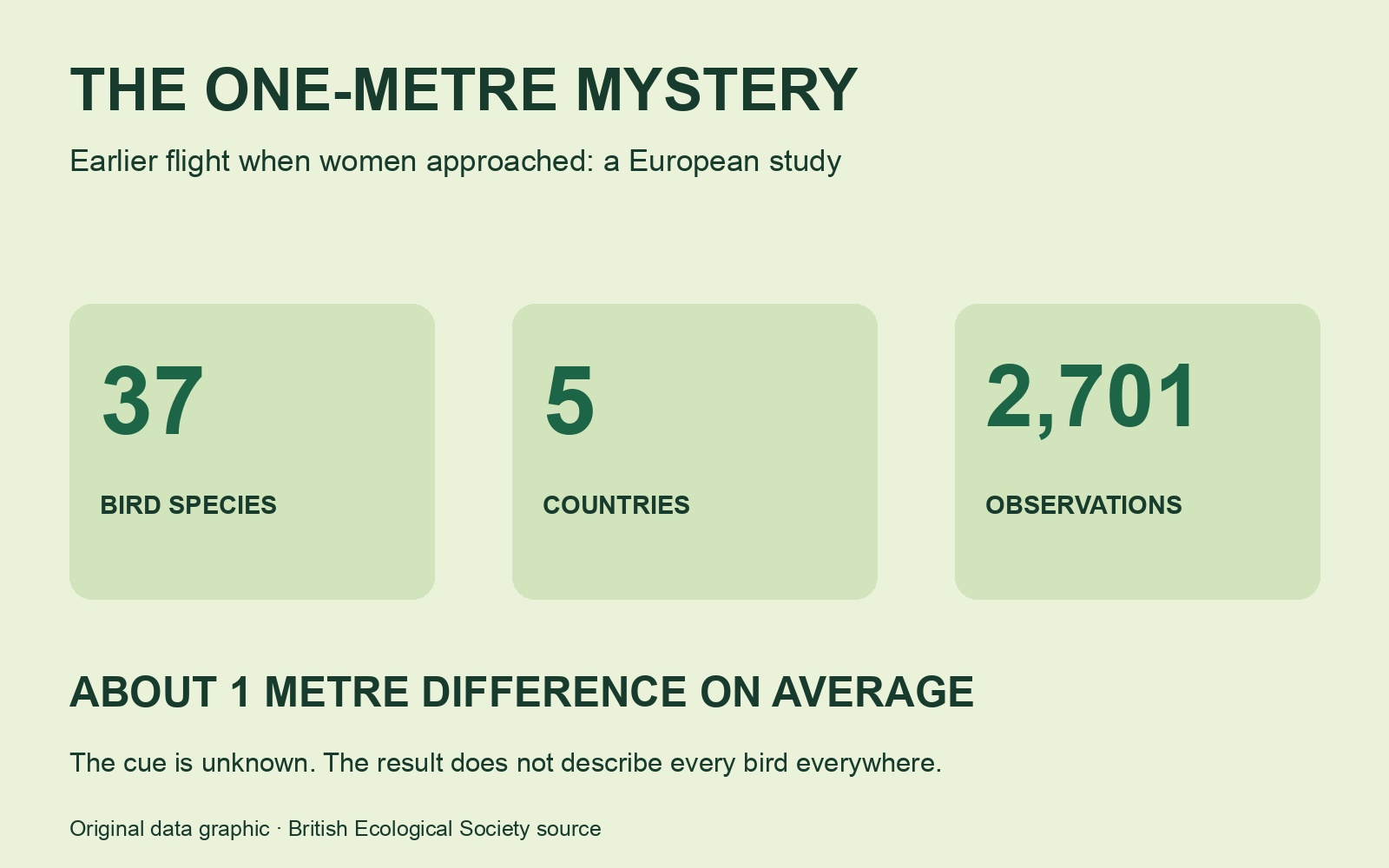
No person has stood on Venus to watch those sunrises. The description follows from measurements of the planet's motion. It is an explanation of an extreme world, not a travel experience or a report that a human landing has taken place.
Similar size, profoundly different conditions
Venus is close to Earth in size, which is one reason the two planets invite comparison. But its thick, mostly carbon-dioxide atmosphere produces a powerful greenhouse effect. NASA identifies Venus as the hottest planet in the solar system, despite Mercury being closer to the Sun.
The cloud cover includes sulfuric acid, and surface pressure is many times Earth's sea-level pressure. The exact surface-temperature figure can vary with the source's rounding; the central point is that the surface is hot enough to melt lead. A similar diameter is not evidence of similar habitability.
Why the calm-looking picture needs a caption
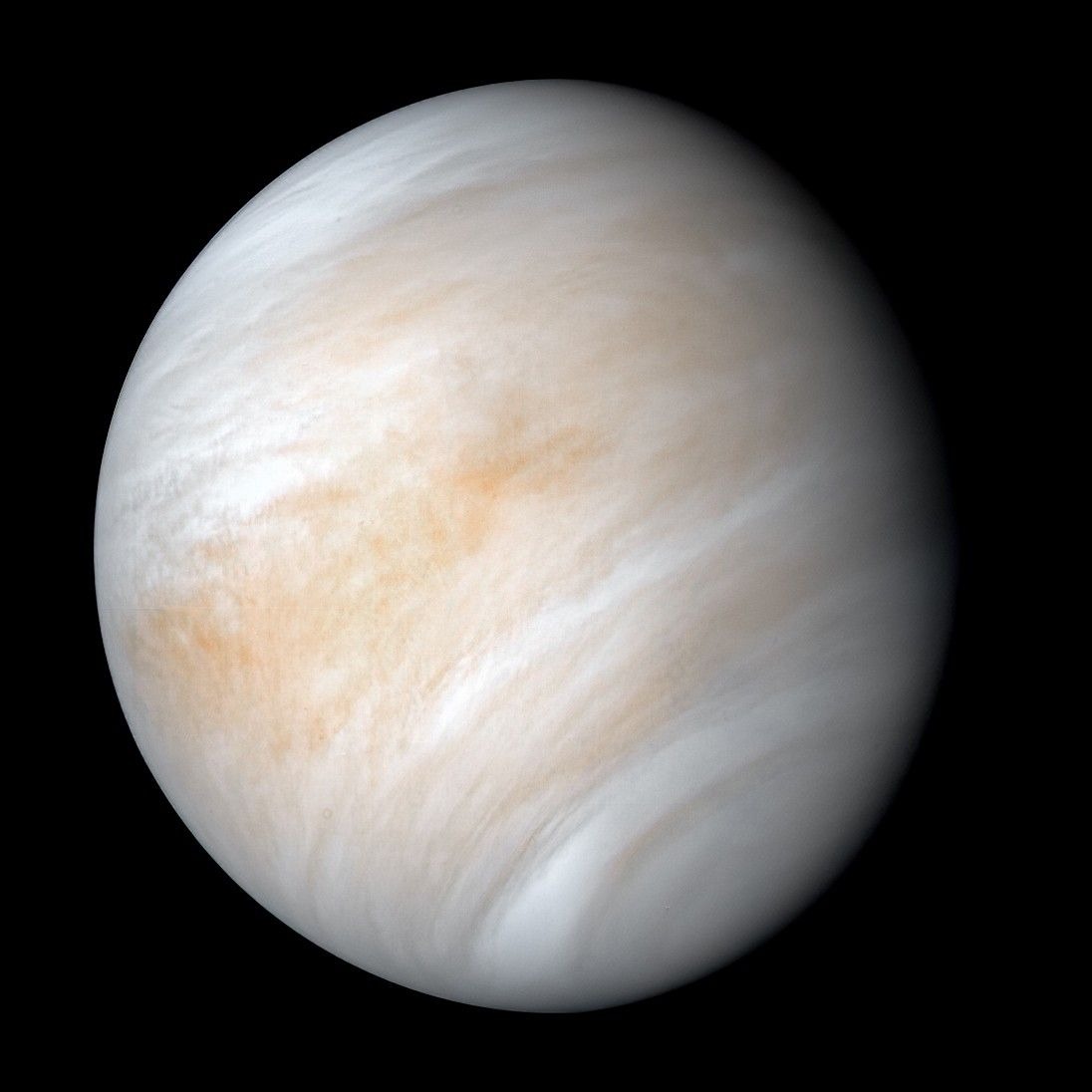
The Mariner 10 image used with this article was captured in February 1974. Its cloud bands can look peaceful, but a distant view of the atmosphere does not show the extreme conditions at the surface. It is an archive spacecraft image, not a photograph taken for this edition.
The Soviet Venera missions reached the surface and returned limited observations under those hostile conditions. Their short operating lives are a reminder that learning about a planet is constrained by the environment as well as by the instruments sent there.
The three-clock explanation is the fact worth keeping: about 243 Earth days for a rotation, 225 for a year and 117 for sunrise to sunrise. Once those definitions are clear, Venus becomes more interesting—not less. The surprising part is not that astronomy has broken a rule, but that our everyday word day hides more than one measurement.
Why everyday language makes the fact sound impossible
On Earth, people usually use day for the repeated cycle of daylight and darkness. Astronomers sometimes need a different reference: the orientation of the planet relative to distant stars. Those definitions are close enough on Earth that a calendar rarely forces a person to name which one they mean.
Venus makes the difference large. A complete explanation therefore starts by defining the reference rather than asking the reader to memorize three numbers. The year follows the orbit, the rotation period follows the spin and the solar day follows the Sun's apparent return. None is an exception to the meaning of time; they measure different motions.
A useful planet for comparison, not a duplicate Earth
Venus helps researchers ask how planets with some similar starting characteristics can end up with very different environments. Its atmosphere and surface provide a contrast to Earth's, not a simple prediction of exactly what Earth will become.
One photograph cannot answer those questions. Cloud images, radar observations of the surface and measurements of the atmosphere contribute different information. NASA's Magellan mission used radar to map terrain beneath the clouds. That is another measurement distinction worth retaining: a cloud-covered world can be studied without mistaking the visible cloud layer for a direct photograph of its ground.