This two-millimetre cave snail has no eyes. It still retreats from light.
Erhaia dijiang adds a tiny, translucent chapter to China’s underground biodiversity.
A freshwater snail barely two millimetres long has turned a cave in southwestern China into an unusually revealing evolutionary case. Erhaia dijiang has a translucent shell, a pale body and no visible eyes—yet the living animals still moved away from light.
The species was described in Subterranean Biology on May 29, 2026, and received renewed science coverage in October. It is a discovery feature, not a claim that scientists found the animal for the first time on October 23.
Tiny shells, unusually large significance
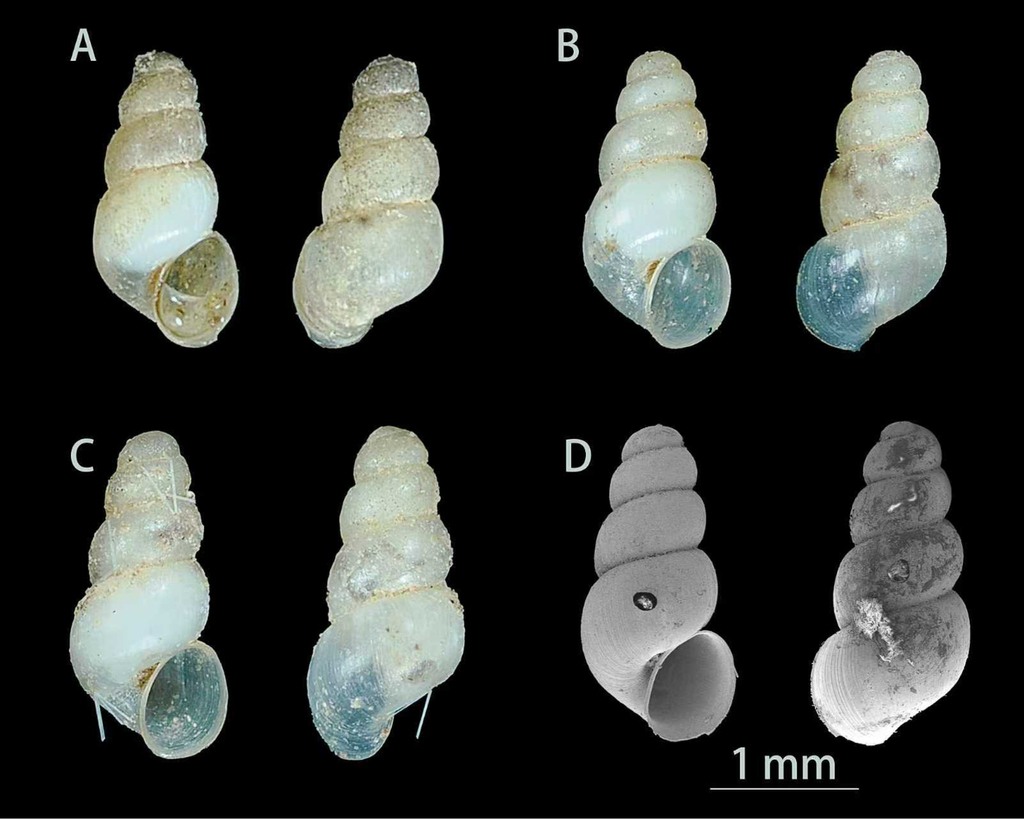
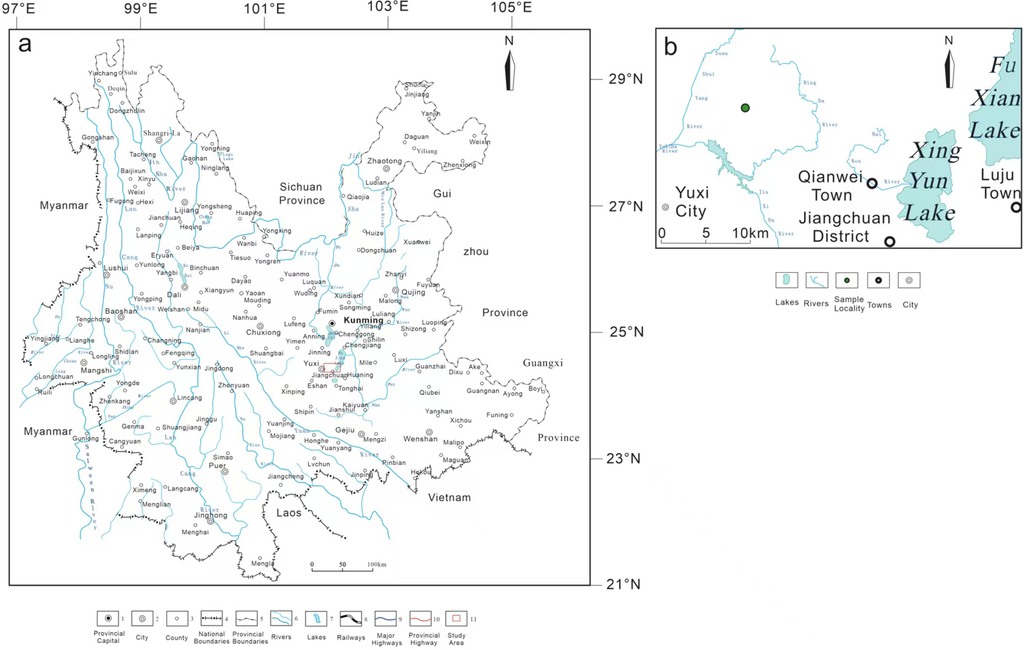
The team collected three live adults and one empty shell during fieldwork in August 2025 in Hongta District, Yuxi, Yunnan. The type specimen’s shell measured 2.05 millimetres long and 0.98 millimetres wide; other measured specimens were between 2.03 and 2.21 millimetres long.
The researchers identify it as China’s first documented freshwater cave snail. Its locality, at 2,062 metres above sea level, is also the highest reported for a cave-dwelling member of the family Erhaiidae. Neither statement means it is the world’s highest-living animal or that China had no previously known land snails in caves.
Three collected adults are a sample, not a global population count. Describing this as “only three left on Earth” would turn limited field collection into an unsupported extinction claim.
No eyes does not mean no response to light
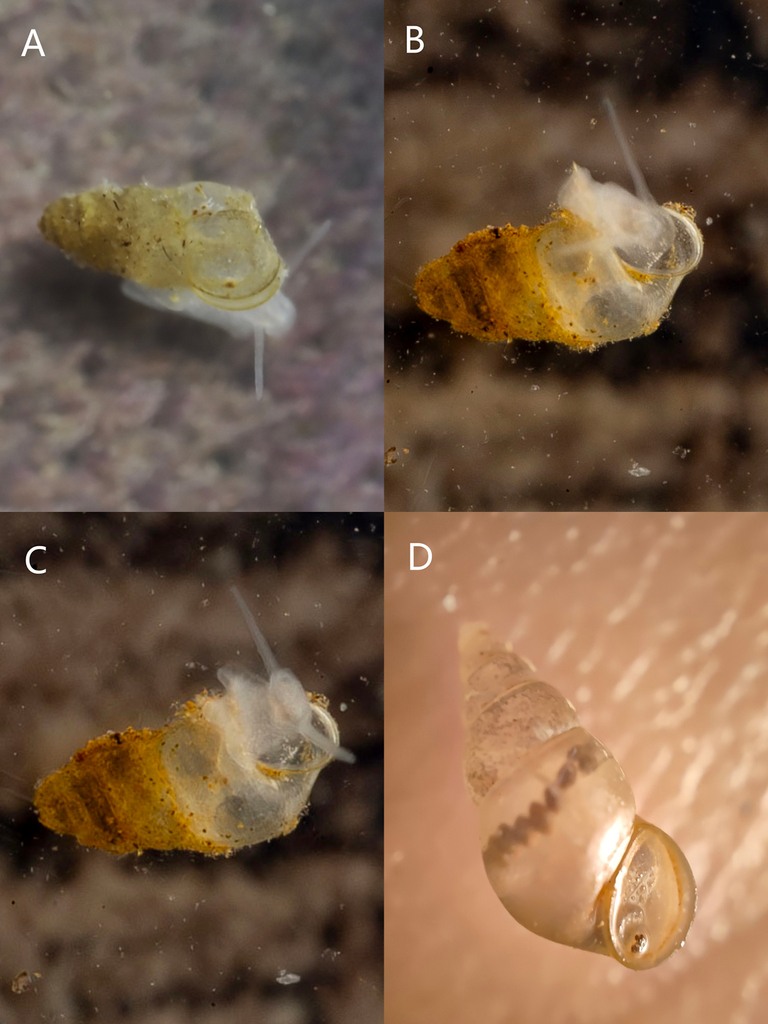
The specimens have slender tentacles, a pale body and strongly reduced external pigmentation. Ocular structures were absent in the description, a striking departure from their surface-dwelling relatives.
Nevertheless, live individuals retreated under rocks and into dark crevices when exposed to light. That observation is important because it separates a missing organ from a missing behaviour. It does not establish exactly which cells or molecules detect the light; the study did not solve that mechanism.
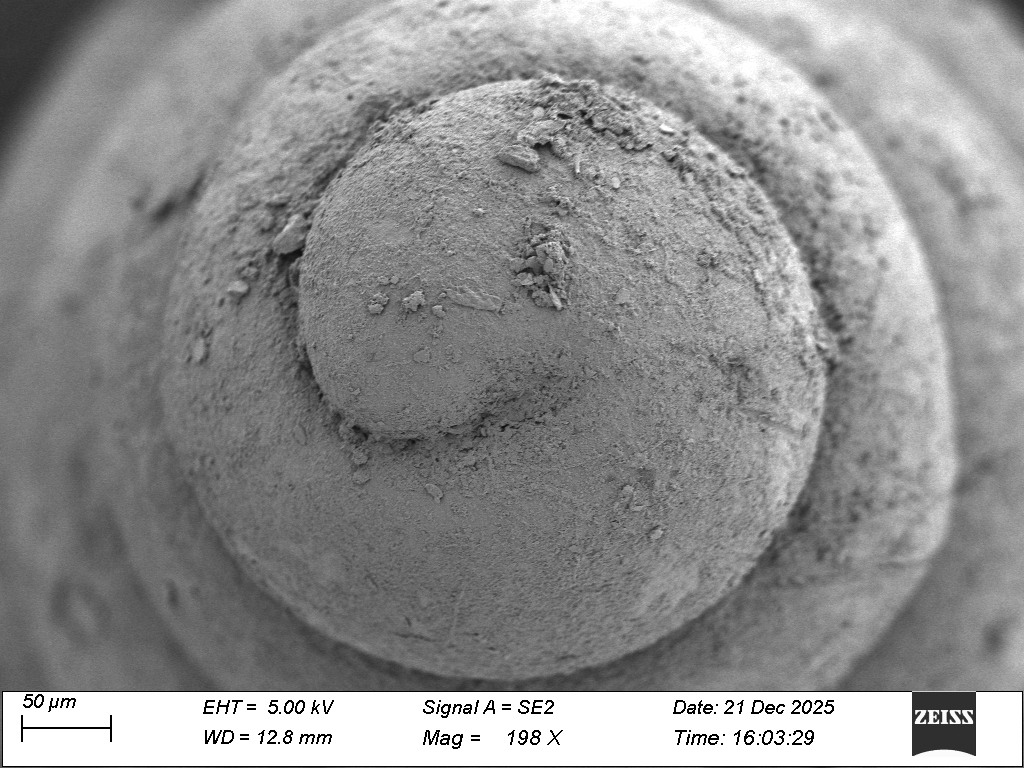
The published scanning-electron images document shell detail, including the early shell formed during development. These structural features help distinguish a new species from a small or unusually pale individual of a known one. The photographs are research documentation, not artist-made reconstructions of an unseen animal.
A habitat measured in shallow water and stone
The snails were found among submerged gravel and broken rock in water less than a metre deep, at roughly 20 degrees Celsius. Heavy rain can wash individuals toward the entrance. One collected animal was outside, less than two metres from it, rather than in a distant surface stream.
The team did not find the species in nearby streams during its observations. That supports a close association with the cave environment but does not prove that every connected underground passage has been surveyed.
One panel of the habitat figure shows a different, transparent snail from the family Pomatiopsidae that retained normal eyes. It is not another photograph of Erhaia dijiang. Keeping that distinction visible matters when several small, translucent animals appear in the same scientific figure.
DNA adds evidence, not a complete family history
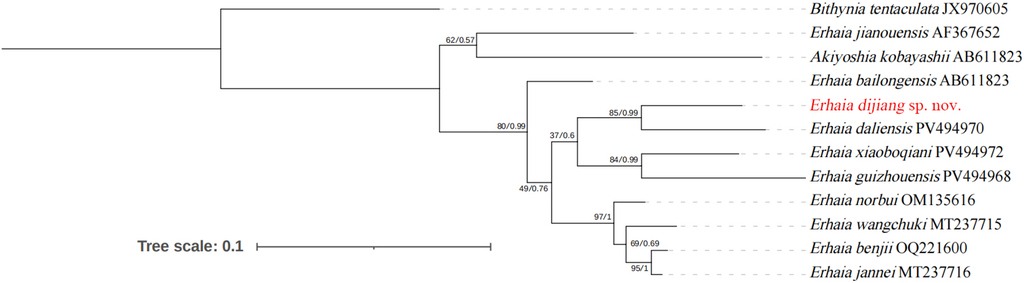
The researchers analyzed a 623-base-pair segment of mitochondrial COI DNA. In their analysis, the new species was closest to Erhaia daliensis, with approximately 10.2 percent sequence distance between them.
That molecular result complements shell and body observations. It does not settle every relationship within the genus, which the paper notes still needs broader work. A single genetic marker is useful evidence, not an entire evolutionary history by itself.
The name dijiang refers to Di Jiang, a faceless creature in Chinese mythology. It is a memorable name for an animal whose most obvious visual feature is the absence of something familiar. The deeper scientific interest lies in how such a small freshwater organism became specialized for life underground—and how much of that underground diversity remains undocumented.