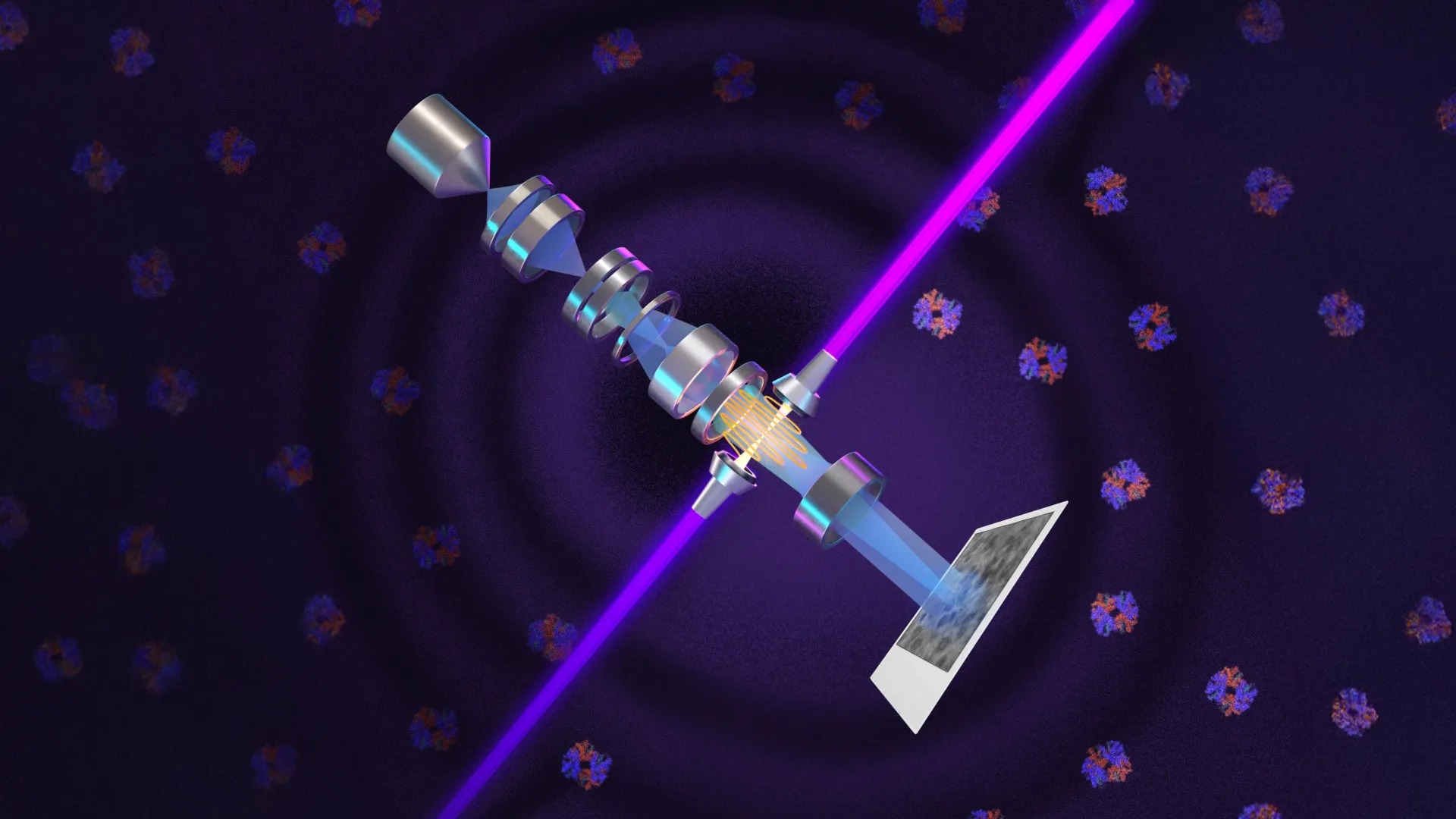
Researchers can share a coffee smell remotely. The internet is not carrying the molecules.
Scentronic links an electronic nose with a distant fragrance generator. It currently recognises five trained scents, not every smell.
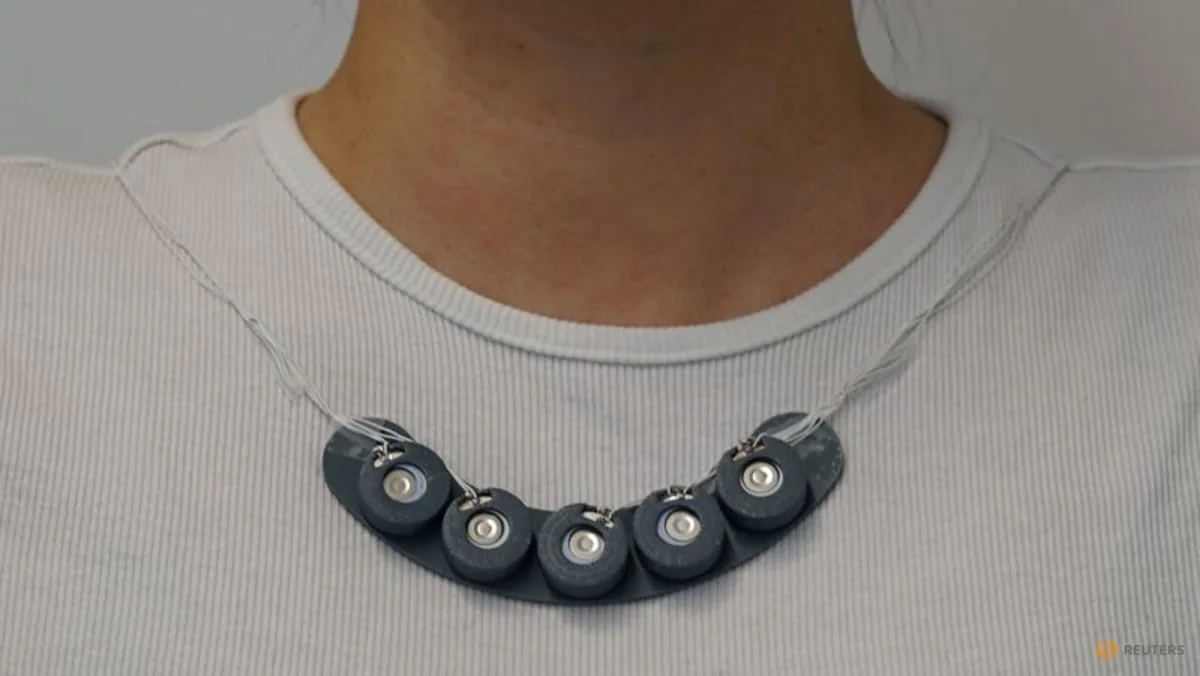
A research prototype can recognise a coffee aroma and prompt a remote device to recreate the corresponding smell. The technology, called Scentronic, adds an unusual possibility to digital communication: sharing selected aromas as well as pictures and sound.
What travels—and what does not
Reuters reported that the system combines an electronic nose, a machine-learning classifier and a scent generator. The sensing device identifies trained odours; an online connection sends information to the receiver, which releases a matching fragrance from its own supplies.
The scent molecules do not travel through the internet. This is closer to sending instructions to a machine than physically transporting the air around a cup of coffee. Recognising an aroma and reproducing it convincingly are also separate engineering challenges.
Five scents, not an unlimited library
Ohio State University researcher Chunyu Yang told Reuters that the electronic nose currently recognises beer, cake, coffee, oranges and red wine. The sensing unit is portable and roughly 15 centimetres across, but is not designed to be worn.
The researchers developed wristband, necklace and handheld versions of the receiving generator. Adding a new smell would require both suitable training for recognition and the corresponding scented liquid at the receiving end. The team has not demonstrated the exact mixture of aromas at a cookout or an unlimited catalogue of everyday smells.
Why it is not a phone feature yet
Yang described Scentronic as a research prototype. Commercial use would require broader training data and reliable recognition outside controlled conditions, where smells arrive in mixtures. Refillability, durability, manufacturing cost and the safety of repeated exposure to scented mist also need attention.
A phone could potentially communicate with a scent accessory, but building the reservoirs, electronics and atomisers into a handset would introduce practical space and weight problems. The interesting result is a working link between smell detection and remote generation—not proof that an ordinary smartphone can now send any aroma on demand.