Ireland’s Dáil backs removing UN approval step for peacekeeping.
The lower house backed the change 79–71 as opponents raised neutrality concerns.
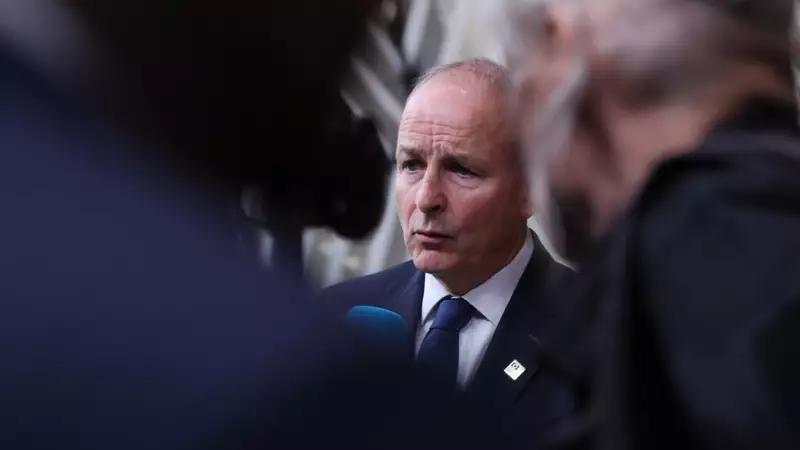
Ireland’s lower house, the Dáil, voted 79–71 in favour of legislation to remove the UN approval requirement for certain overseas peacekeeping deployments, sharpening a debate over military neutrality. The vote was reported by France 24 with AFP on October 22.
The Dáil vote targets one part of the system known as the triple lock. Government and parliamentary approval are separate elements; the disputed third step is UN authorisation.
Prime Minister Micheál Martin argues that divisions among the UN Security Council’s permanent members should not prevent Ireland from responding to crises. Opponents say removing the safeguard could make closer military alignment easier.
What the legislation changes
The proposal would remove the UN condition while retaining other parts of the domestic approval framework. It should not be confused with eliminating all oversight of overseas missions.
The legislation also proposes raising the number of personnel who could be deployed without parliamentary approval from 12 to 50. That threshold is a separate issue from the removal of the UN requirement.
Neither change amounts to an announcement that troops have been sent to a new operation. A legal framework for deployment and a decision to deploy are different stages.
Two arguments about neutrality
The government presents the reform as a way to keep Ireland able to contribute to peacekeeping when the Security Council is paralysed. The council’s five permanent members can block decisions, creating a constraint that Irish ministers say should not determine every national response.
Sinn Féin leader Mary Lou McDonald warned that removing the rule could open the way to deeper involvement in EU military structures and other alliances. She called for a referendum, arguing that such a change should require public consent.
Ireland is not a NATO member and has a longstanding peacekeeping role. The dispute is therefore about how neutrality should operate in practice, rather than a newly announced decision to join the alliance.
A small defence force with an international role
Ireland’s defence forces number just over 8,000 personnel, according to the France 24 account, and the country has traditionally participated in international peacekeeping despite remaining outside NATO. The argument over authorisation therefore concerns a real part of Irish foreign policy rather than a hypothetical role with no operational history.
The Security Council issue arises because China, France, Russia, the United Kingdom and the United States hold permanent seats with veto powers. The Irish government argues that disagreement among those states should not always determine whether Ireland can take part in a mission. Opponents see the international approval requirement as a restraint that helps protect the country from involvement in military operations lacking sufficient legitimacy.
Neither position is simply a choice between peacekeeping and abandoning it. The disagreement is over who should decide, what safeguards are necessary and how neutrality should constrain the decision. That is also why the proposed personnel threshold matters alongside the UN change: one concerns international approval, while the other affects when parliament must be involved in a deployment decision.
The argument will continue beyond the vote
The eight-vote margin shows that the measure passed over substantial opposition. It does not establish a national consensus or end the political debate.
Further legislative steps, implementation arrangements and any later mission would each need separate confirmation. The immediate development is the parliamentary vote; its longer-term significance will depend on how the new framework is completed and used.