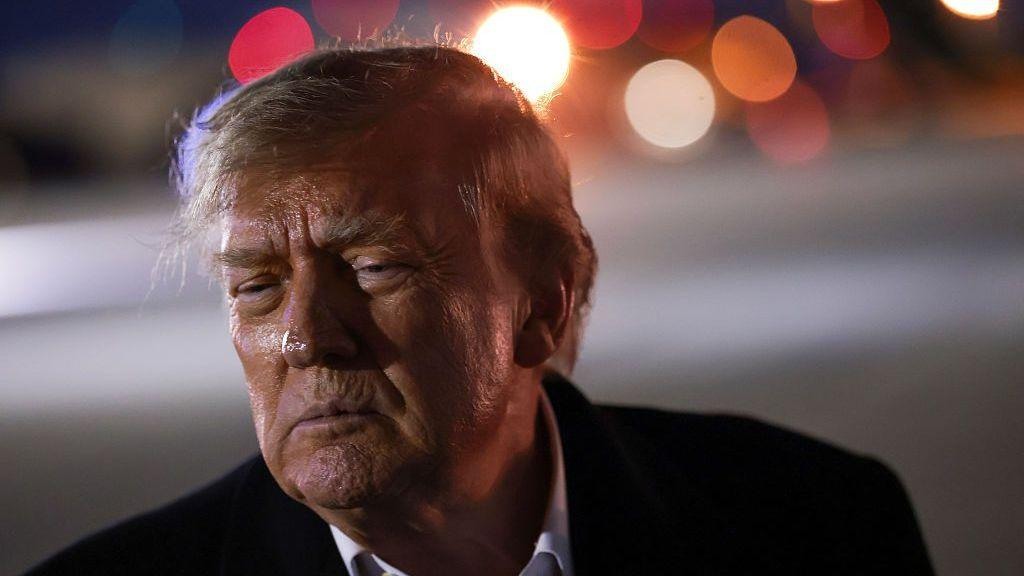
Hinson joins Trump in Iowa while defending room to disagree.
The Republican Senate nominee is seeking both loyal Trump voters and more independent-minded support.
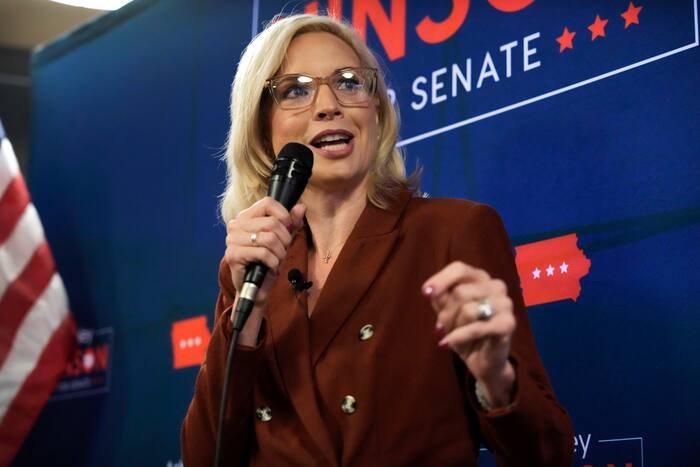
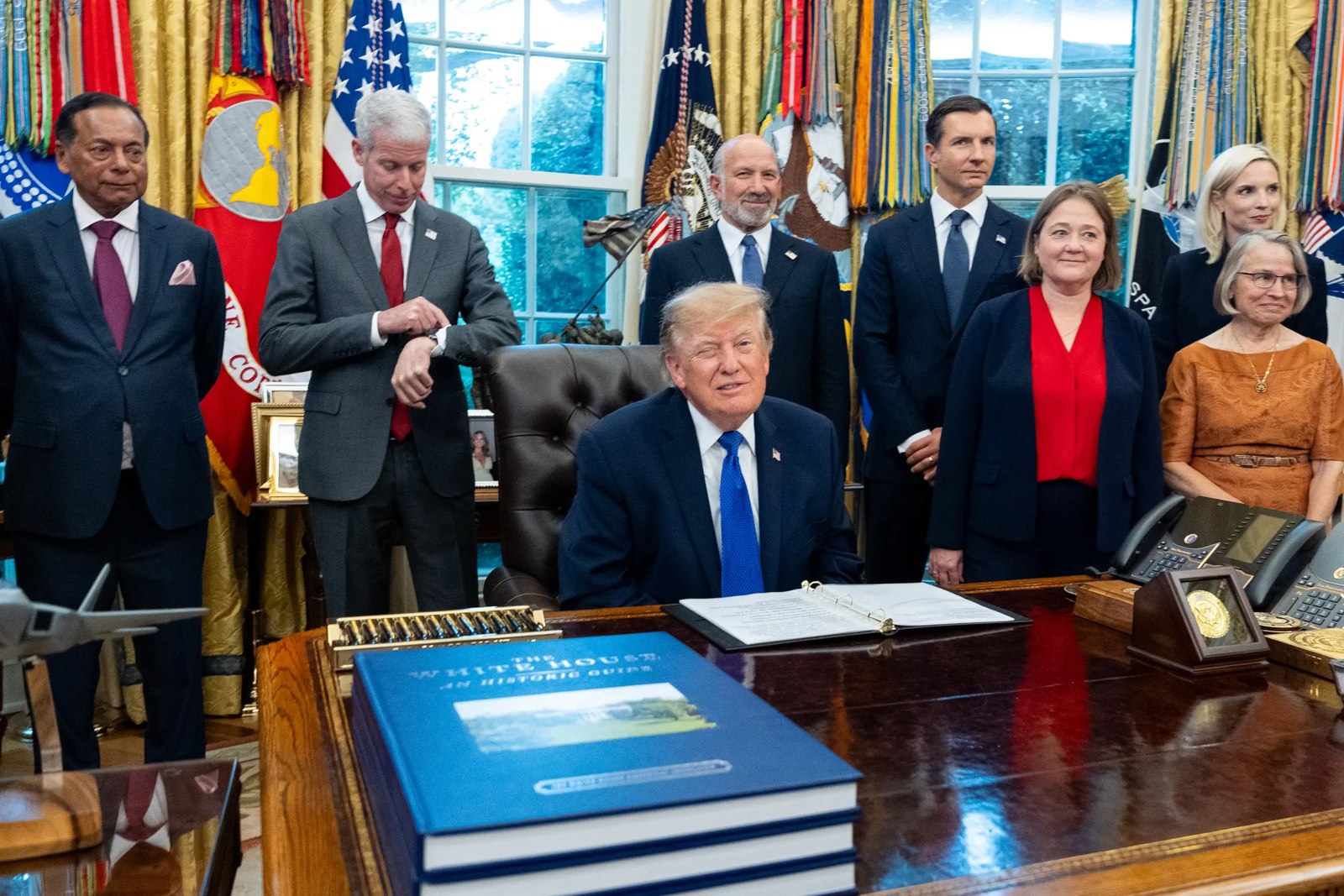
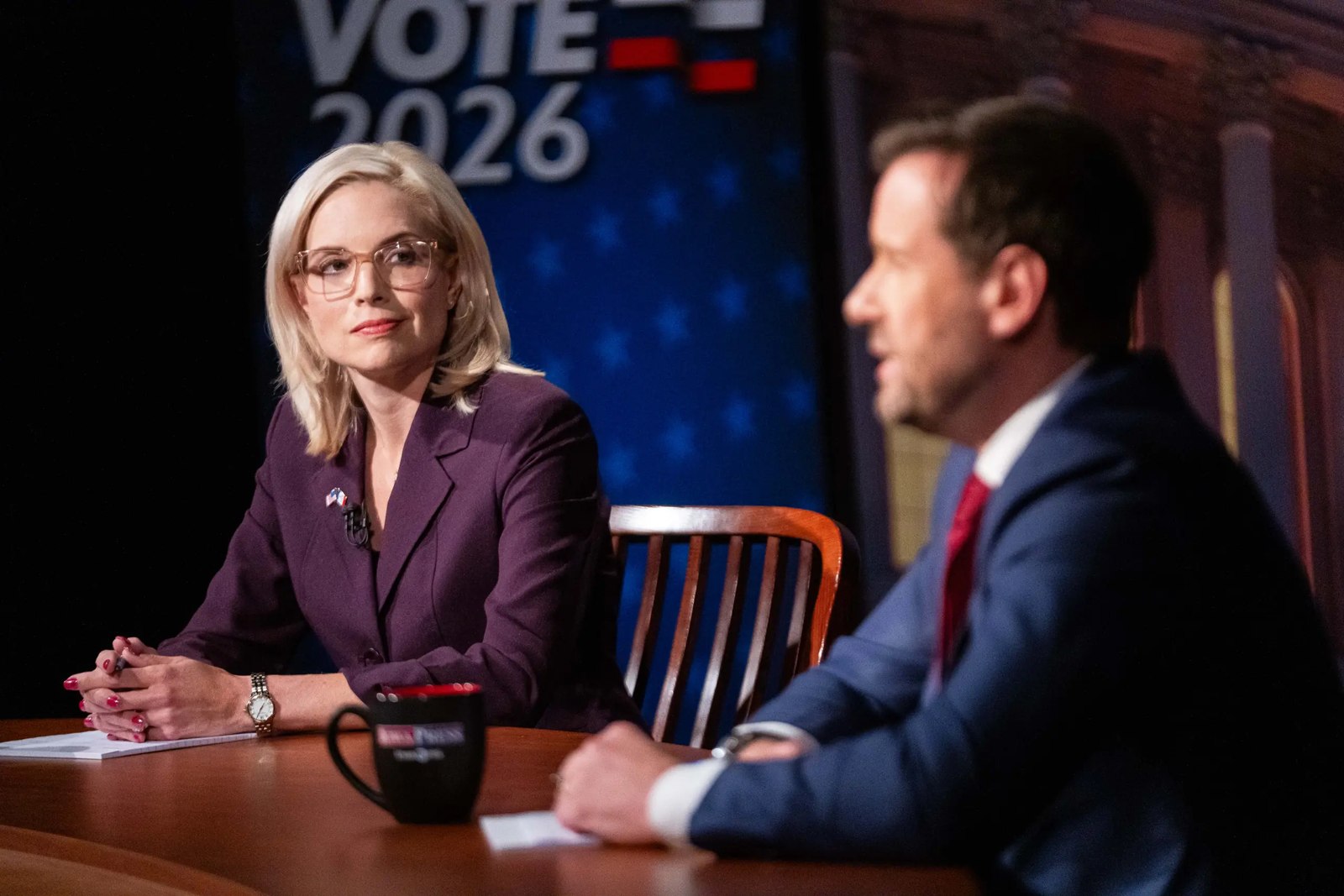
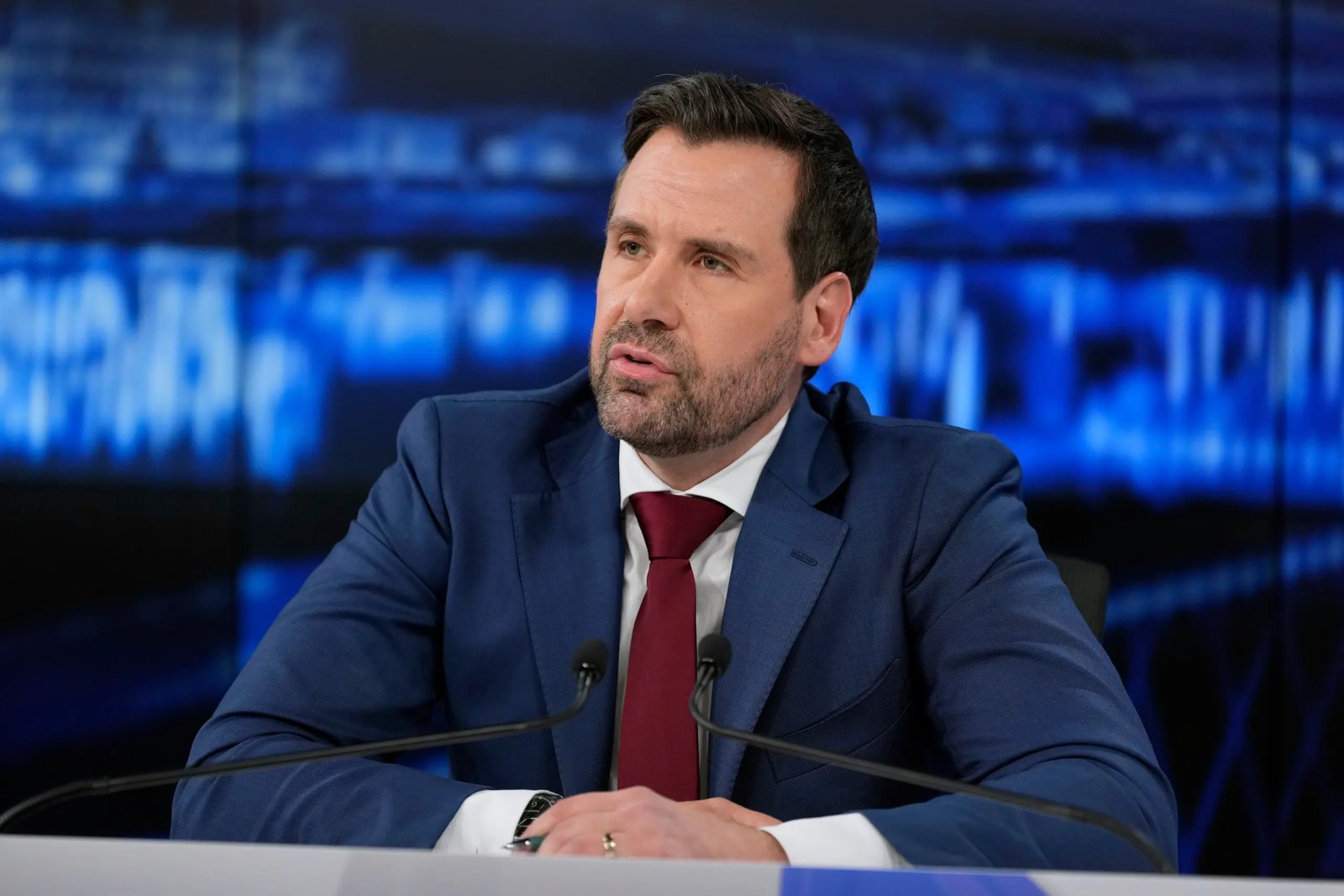
Ashley Hinson joined Donald Trump at an October 22 rally in Sioux City while trying to persuade Iowa voters that her alliance with the president leaves room to disagree on policies affecting her state.
The Republican Senate nominee faces a state under pressure from weaker farm profits, manufacturing job losses and health-care closures. She needs Trump’s supporters to turn out, but she is also courting residents frustrated by costs and the administration’s policies.
Her Democratic opponent, Josh Turek, is making his own selective pitch for cooperation with Trump, promising to work with him on immigration while attacking his economic record.
Hinson draws lines on beef imports and Russia
Hinson has criticised proposals to increase foreign beef imports, arguing that they would hurt Iowa farmers. She has also opposed easing sanctions on Russia in exchange for diesel supplies, saying lower fuel costs should not depend on deals with Moscow.
Her position on the Iran war shows the limits of that separation. She did not join Iowa colleagues who voted to restrict Trump’s authority to continue the conflict without congressional approval, although she later called for it to end promptly.
That leaves voters with two different ways to assess her independence: what she says about individual decisions and how she votes when those disagreements reach Congress.
Turek targets costs while offering cooperation
Turek, a state lawmaker, argues that tariffs and the war have hurt Iowa households and businesses. He has portrayed Hinson as too closely aligned with the administration, while his advertising promises to work with anyone—including Trump—to secure the border and address drug trafficking.
The strategy avoids presenting cooperation with the president as an all-or-nothing question. Both candidates are claiming they can put Iowa first, but they disagree over which policies would deliver that result.
Campaign language about bipartisanship does not settle the argument. The clearest comparison lies in the candidates’ specific proposals, records and explanations of where they would support or challenge the administration.
A costly race creates pressure on both messages
The Iowa contest is drawing heavy advertising as both parties compete over how voters interpret the economy and the president’s record. AP reported that spending on broadcast and cable television had already exceeded $200 million, citing AdImpact data. Republicans had spent slightly more in support of Hinson than Democrats had for Turek.
That level of spending shows the importance the parties attach to the seat, but it does not measure how persuasive the advertising has been. A campaign can reach voters repeatedly without resolving their concerns about farm income, health-care access or household costs. Those issues also do not fit neatly into a single national message.
Hinson has shifted from presenting herself as a leading Trump ally to emphasising a willingness to fight across party lines for Iowa. Turek, meanwhile, is combining criticism of tariffs and the war with a promise of cooperation on immigration. The overlap reflects competition for voters who may support some presidential policies while rejecting others. Whether either message wins their trust will depend on more than the size of the advertising budget.
The rally puts turnout at the centre
Hinson took the stage before Trump at the Sioux City rally, according to AP’s updated October 22 account. The event was held in conservative northwestern Iowa, where mobilising dependable Republican voters is a central part of the campaign.
Trump criticised Turek and urged Iowans to reject him. His appearance placed presidential support behind Hinson while also reinforcing her connection to policies that some voters want her to challenge.
An appearance and its immediate campaign message do not establish how turnout will change. The eventual vote, rather than crowd reactions or advertising totals alone, will show how the competing appeals have landed.