UK lawmakers warn of gaps in Arctic defence
A parliamentary committee says Russia could threaten infrastructure and Atlantic supply routes.
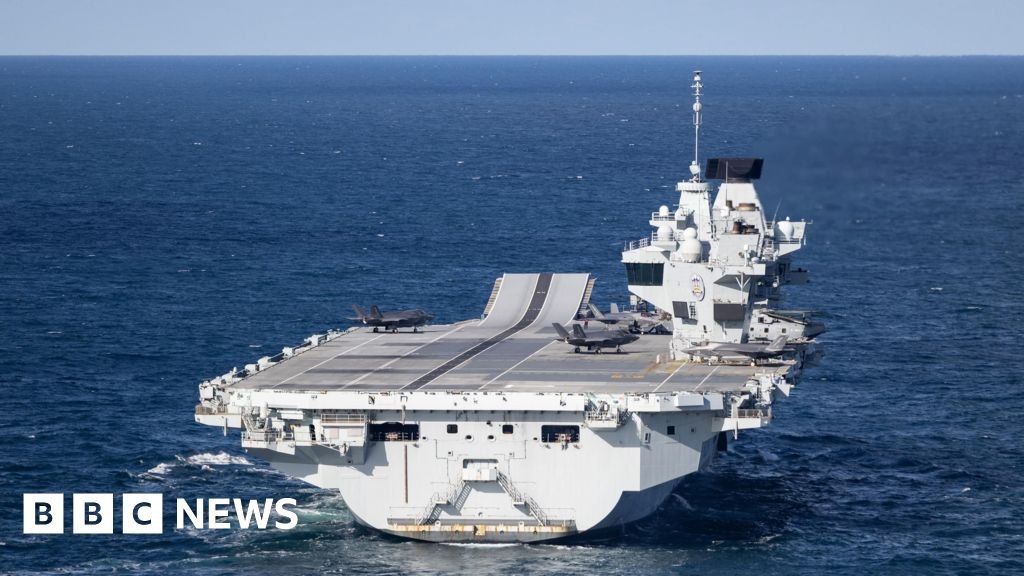
Britain has gaps in its Arctic defences that could expose undersea infrastructure and Atlantic supply routes to Russian threats, the Commons Defence Committee has warned.
MPs highlighted limited warship availability, shortages of operational submarines and a temporary loss of the ability to operate beneath Arctic ice. They argued that work to close those gaps must begin urgently.
The Ministry of Defence said it recognised the threat from Russia and was investing in the protection of Britain’s undersea cables.
Why the High North matters
The region links Arctic operations with the North Atlantic routes connecting Europe and North America. Those routes, along with undersea cables and energy infrastructure, carry civilian as well as military importance.
The committee warned that Russian submarines could use ice cover to conceal their movements while threatening NATO sea lanes, British infrastructure and the UK’s nuclear deterrent. These are assessments of potential conflict scenarios, not reports that attacks on named facilities have already taken place.
The warning is partly about availability rather than simply the number of vessels on a fleet list. A ship or submarine undergoing maintenance cannot provide the same immediate capability as one ready to deploy with a trained crew.
MPs question the regional balance
The committee suggested considering a stronger High North focus for the British-led Joint Expeditionary Force, particularly amid uncertainty over future US support for NATO.
The defence ministry responded that the force was already strengthening NATO’s northern flank and improving its ability to react quickly to emerging threats. That answer acknowledges the region’s importance while differing from the committee’s emphasis on the remaining shortfalls.
A recommendation does not itself move ships, fund equipment or create an operational capability. Those changes require government decisions and time to implement.
Arctic capability cannot be replaced instantly
Operating beneath ice and sustaining a presence in the High North require capabilities that cannot be created simply by changing the wording of a defence plan. The committee’s warning therefore concerns time as well as money: a gap that is acknowledged today can still persist while maintenance, training or procurement work continues.
The report also links local readiness to a wider alliance problem. North Atlantic routes would matter for moving support from the United States in a conflict, while British undersea infrastructure serves the domestic economy as well as the armed forces. Protecting one location cannot be considered entirely separately from the security of those connections.
Earlier in the year, the Ministry of Defence said Russian submarine activity in the North Atlantic had returned to Cold War-era levels. That assessment adds context to MPs’ concern, but it does not specify when or where an attack will occur. The distinction between sustained activity, a capability gap and an imminent operation is important. The committee is calling for stronger deterrence and preparation, rather than reporting that a particular attack is already in progress.
Readiness will be measured by delivery
The central concern is how quickly vulnerabilities can be reduced. Procurement announcements and spending commitments matter, but operational availability, maintenance, personnel and training will determine what Britain can actually deploy.
The report does not predict that war must begin by a fixed date. It argues that the possible consequences are serious enough to justify earlier preparation. The next test will be whether the government’s response sets out resources, responsibilities and measurable steps to close the gaps MPs identified.