Canada rejects US embassy allegations of election interference
Carney says Ottawa’s trade response is intended to protect Canadian jobs and businesses.
Canada has rejected a US Embassy accusation that its officials are trying to influence the American midterm elections, opening a new diplomatic argument alongside the neighbours’ already strained trade relationship.
The embassy’s fact sheet pointed to meetings with US Democrats, public comments by Canadian leaders and proposals for retaliatory tariffs aimed at politically important states. It accused Canadian officials of brushing aside concerns about potential interference.
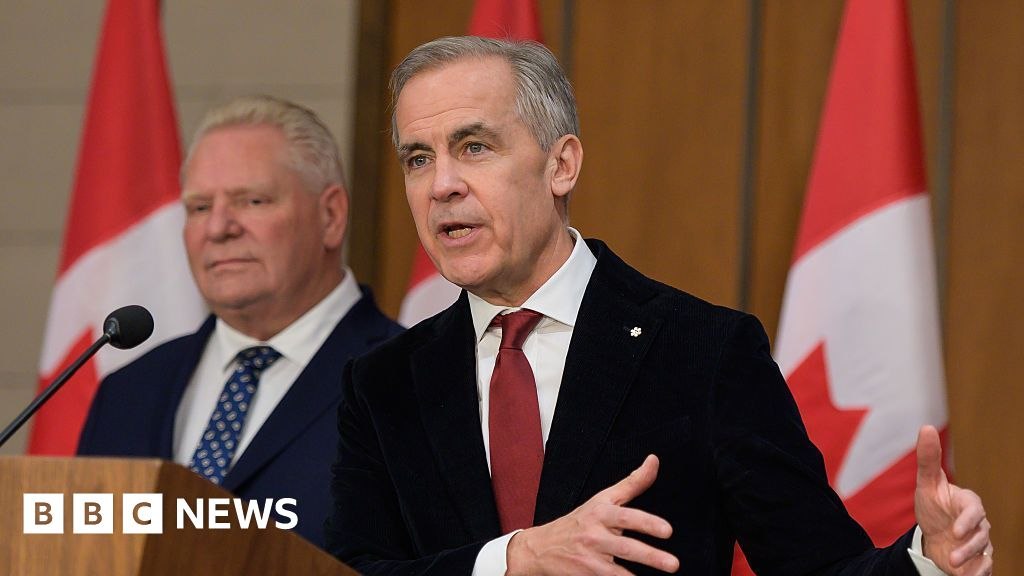
Prime Minister Mark Carney said Canada was responding to trade measures initiated by Washington and acting to protect its own workers, businesses and economy.
Competing explanations for political contacts
The embassy cited Industry Minister Mélanie Joly’s meetings with American political figures and Ontario Premier Doug Ford’s advocacy of targeted trade countermeasures. Its argument was that the pattern showed an effort to shape American politics.
Canadian leaders offered a different explanation. Joly said her visits were intended to attract investment. Ford said he had no interest in interfering in US elections and that American voters would decide the outcome themselves.
The accusation is not a finding by a court or an independent election investigation. The conduct described, the officials’ stated intentions and any legal assessment of interference remain separate questions.
Tariffs remain the economic backdrop
Carney made his response while announcing nearly C$9 billion in support connected to the effects of US tariffs. That placed the exchange firmly within a wider dispute over trade and the cost of countermeasures.
Canada argues that defending its economy should not be equated with choosing America’s elected representatives. The embassy’s position is that some Canadian actions go beyond a domestic economic response. Neither side’s account, by itself, resolves the disagreement over intent.
The dispute follows months of warnings
The embassy’s fact sheet did not emerge in isolation. Earlier in the month, US Ambassador Pete Hoekstra said American officials were watching Canadian politicians for signs of election interference. The latest allegations turned that concern into a more detailed public statement focused on named officials and their conduct.
Relations have hardened during Trump’s second administration as both governments argue over measures affecting trade that previously crossed the border with fewer obstacles. In that environment, a visit intended to seek investment can also carry a political message, and retaliatory tariffs can be designed to increase pressure on decision-makers. The existence of political pressure does not settle whether a legal boundary has been crossed.
The consequences of the dispute will depend on what follows the accusations. Further trade restrictions, changes to support measures or a negotiated agreement would have practical effects that the exchange of statements alone does not establish. For companies planning across the border, certainty about the rules may matter more immediately than which side wins the argument over how to describe the other’s intentions.
Why the midterms raise the stakes
The November elections will determine control of the House and Senate and help shape the remainder of Trump’s presidency. Trading partners have a clear interest in that political environment, but an interest in the outcome is not proof of unlawful intervention.
For businesses and workers, the practical issue is whether the diplomatic confrontation leads to further trade disruption. The exchange did not announce a tariff settlement or a new bilateral agreement. Changes in actual policy, a formal diplomatic response or additional evidence would be more consequential than the competing accusations alone.