New York council votes to end horse-drawn carriages in June 2028.
The council vote settles one stage of the debate. Drivers’ transition, horse welfare and the June 2028 start remain central questions.
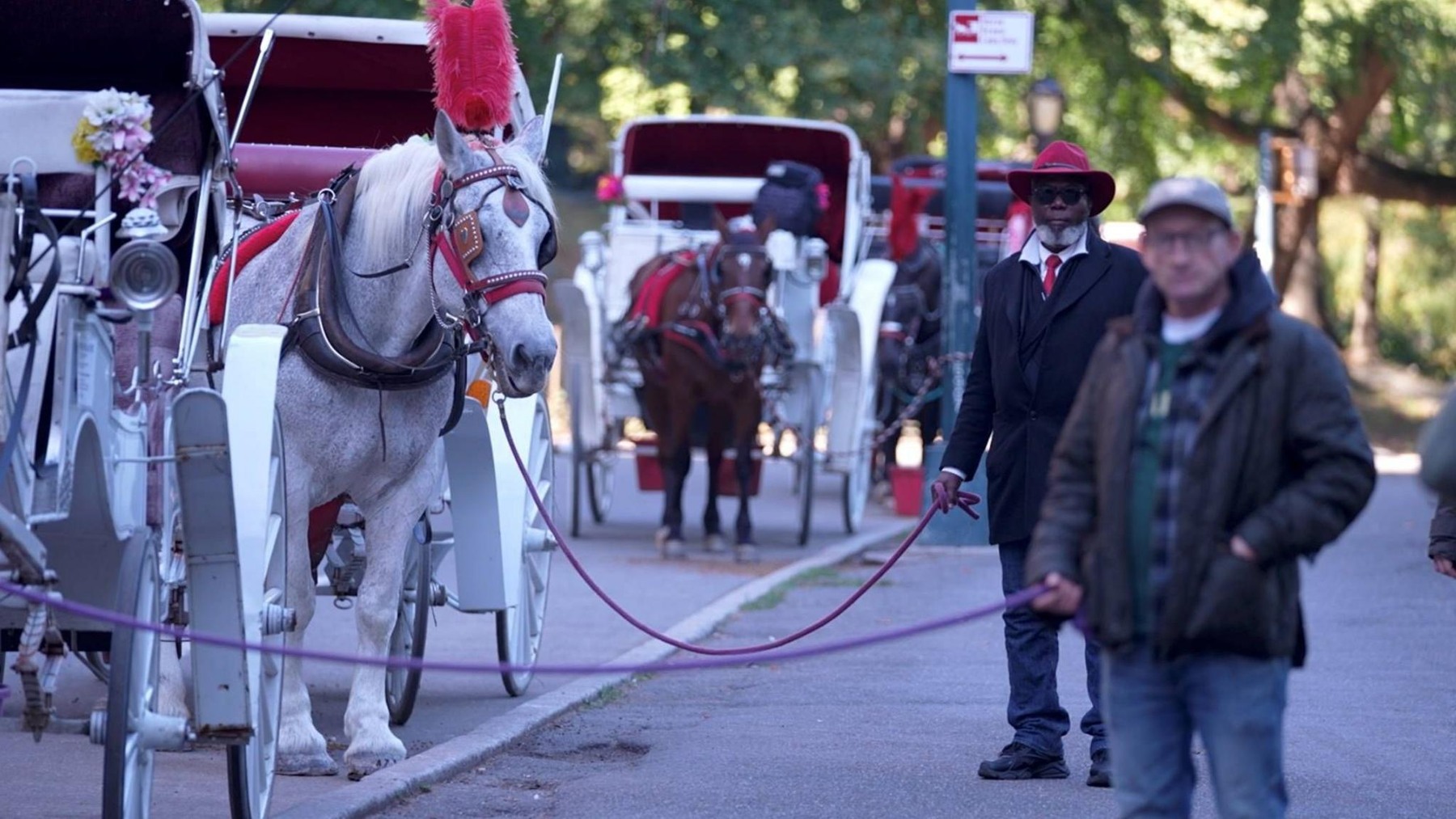
New York City Council voted on October 22 to end horse-drawn carriage operations from June 2028, according to the BBC. The vote turns a long-running Central Park dispute into a transition challenge for roughly 200 drivers, carriage owners and the horses they care for.
The council’s decision does not remove carriages overnight. It sets a future start for the ban while leaving workers, city officials and animal-welfare organisations to confront what happens during the intervening period.
Why the measure is called Romanch’s Law
The measure is named for Romanch Mahajan, an 18-year-old visitor from India who died after a carriage horse bolted and he fell in June. His death intensified a long-running argument over whether horses and tourist carriages can safely share New York’s streets.
Advocates also point to other incidents. The Central Park Conservancy cited seven in 13 months, including a May collision that sent a driver to hospital. In January, a horse named Destiny ran into traffic in an incident involving multiple cars.
The Manhattan borough president’s office cited 40 horse deaths since 1982 associated with issues including overheating and collisions. That is an attributed historical figure, not a finding that every death had the same cause or that every driver committed abuse.
Drivers say the horses are not just a product
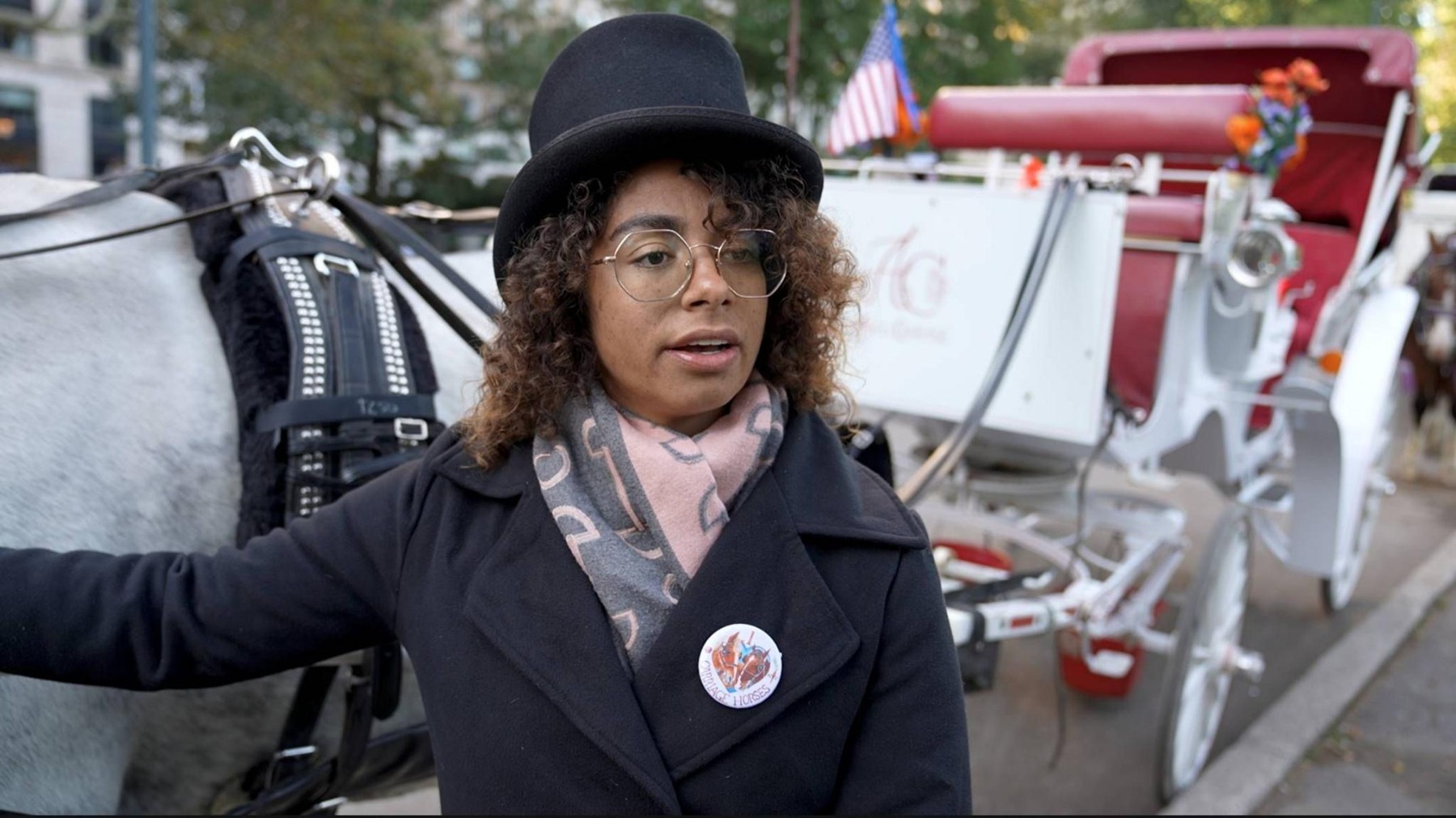
Alexus Lawson, a 28-year-old driver with six years in the trade, described her attachment to the horses, including Starlight. She owns six and argues that outsiders often misunderstand the work and care involved.
Another driver, Medet Fidan, who has worked in the business for 12 years, disputed allegations of widespread mistreatment and criticized how the industry had been consulted. Their position is not simply that a tourist attraction should survive: drivers say their animals, skills and income are tied together.
At a council hearing, earnings of around $60,000 to $70,000 a year were discussed. Those figures were claims about the trade, not an independently verified salary for every driver. Losing the work would still be consequential even if individual incomes vary.
A transition promise meets questions about guarantees
Mayor Zohran Mamdani supports a transition plan for workers. The proposed framework includes possibilities such as job placement, training, counseling and compensation.
The Transport Workers Union’s concern is whether those ideas come with firm jobs, funding and enforceable commitments. A promise to help workers move into other employment is not the same as a guaranteed replacement income when the carriage work ends.
The measure also restricts selling horses for slaughter or sending them into similar work. Council Speaker Julie Menin said owners would be able to keep their horses. Those provisions do not establish that a permanent placement or a fully funded care arrangement already exists for every animal.
A tradition does not settle the safety question
Carriages have been part of New York for more than 160 years. Supporters see a distinctive city experience; critics see animals working in an environment of traffic, heat and unpredictable noise.
Visitors are divided as well. Some regard the ride as an essential Central Park memory, while others say the same setting is a reason to retire the practice. Individual tourist reactions help explain the cultural disagreement but do not replace evidence about safety or welfare.
The current system already has rules, including limits on working hours and designated waiting areas. The argument is over whether regulated operation is sufficient, not whether an entirely unregulated activity should suddenly acquire any standards at all.
The next test is the transition
The BBC’s updated account records the council vote on Thursday, October 22. The question is therefore no longer simply whether councillors will approve the measure. It is how the June 2028 transition will be delivered, including what support reaches workers and what arrangements protect the horses.
A framework describing training, job placement, counselling and possible compensation is not the same as a guaranteed replacement income for each driver. The union’s concerns focus on that gap. Clear funding, eligibility rules and practical arrangements will matter more to affected workers than a general promise of help.
For visitors, the future ban should not be mistaken for an immediate closure. Current operating rules and individual bookings remain separate questions. The vote has changed the policy’s status; implementation and its consequences still lie ahead.