White House asks Supreme Court to lift Big Bend border-wall block
An emergency request seeks to restart construction while a legal challenge continues.
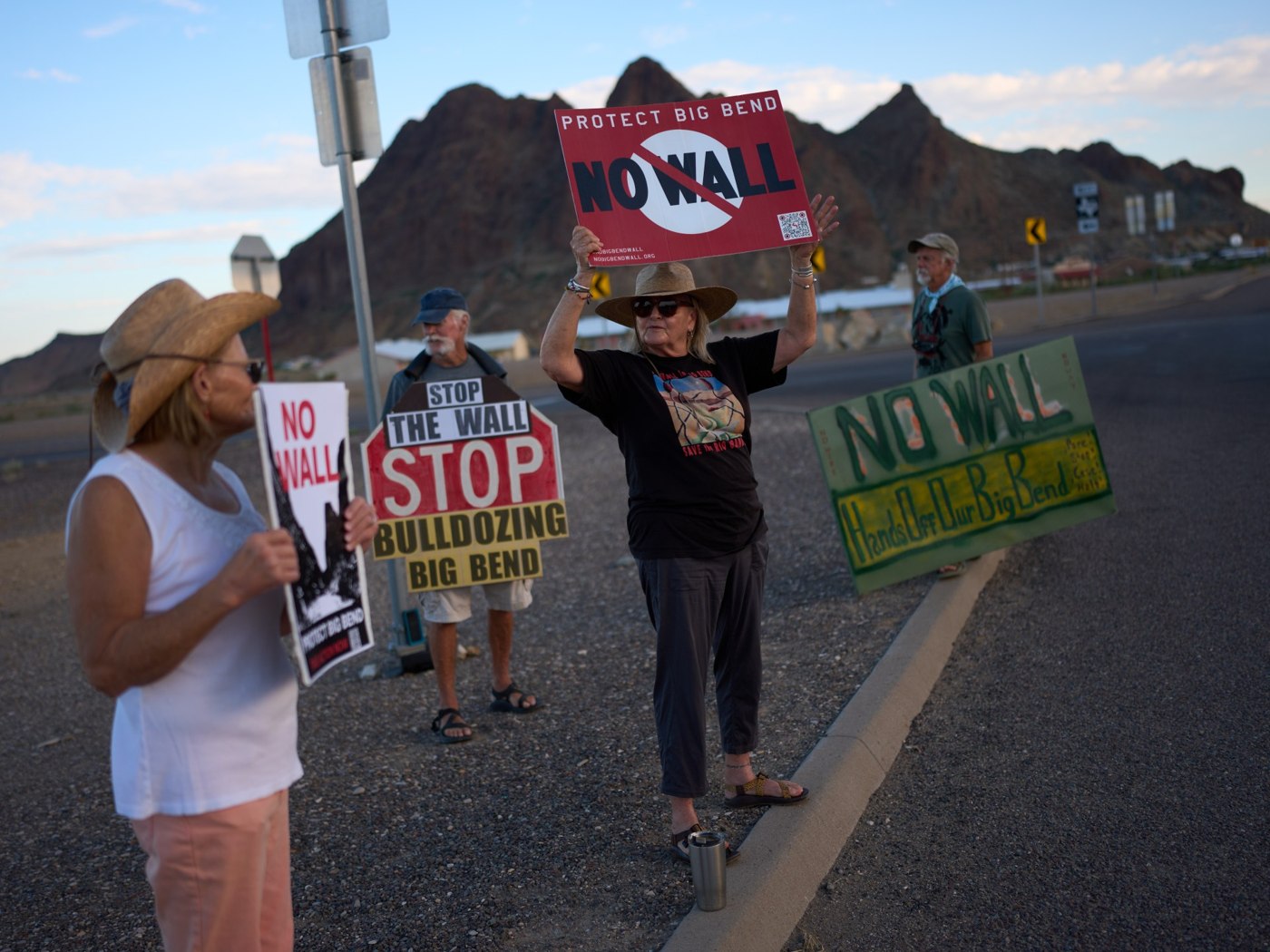
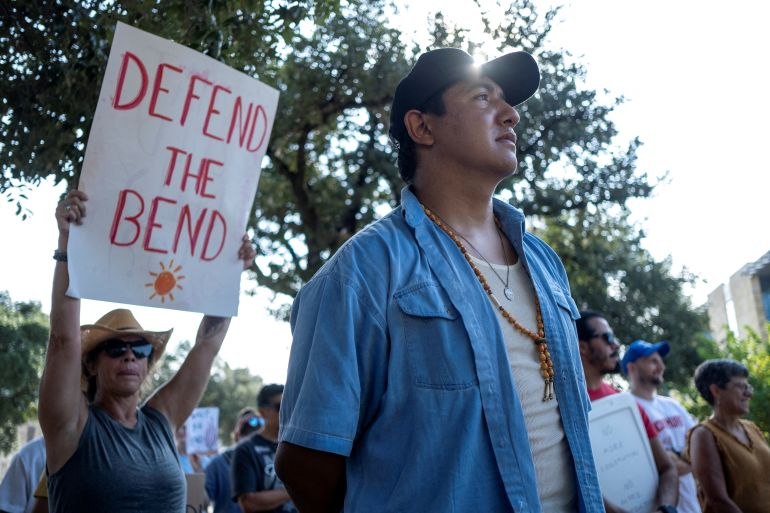
The Trump administration has asked the Supreme Court to lift an injunction blocking a $1.7 billion border-barrier project in West Texas, bringing a dispute over Big Bend’s landscape and federal construction powers to the nation’s highest court.
The Justice Department filed its emergency request on Wednesday. It wants construction to resume while a lawsuit challenging the project continues. US District Judge Kathleen Cardone halted the work on October 2, ruling that officials had exceeded their authority when waiving legal requirements.
The Supreme Court had not issued a response in the reporting available on October 22. The request therefore does not change the project’s legal status on its own.
More than a wall
The Department of Homeland Security’s plans cover vehicle barriers, patrol roads, lighting and detection equipment in and around Big Bend National Park. Together, those installations would bring a wider construction footprint than a single barrier along the river.
The challenge was brought by plaintiffs including the Center for Biological Diversity and a local river guide. They want to protect the landscape and a historic church, and argue that the government cannot set aside the environmental and preservation requirements used to fast-track the work.
Big Bend includes roughly 500 miles of the US–Mexico border. Opponents say it accounts for about 1% of migrant arrests, a figure they use to question the scale and location of the project. Homeland Security officials have instead designated the region an area requiring additional barriers to control unlawful entry.
A dispute over the reach of federal power
The waivers were issued between February and July by former Homeland Security Secretary Kristi Noem and her successor, Markwayne Mullin. Cardone later found that they went beyond the authority Congress had provided.
The Justice Department disputes that interpretation. Its position is that Congress expressly authorised both border-barrier construction and the waiving of legal requirements to accelerate it. The immediate fight is over whether Cardone’s injunction should remain in force while that disagreement works through the courts.
An emergency ruling would not necessarily resolve the whole lawsuit. It could allow or prevent work during the litigation without delivering a final answer on every claim raised by the challengers.
Why the timing of construction matters
The dispute has two clocks running at once: the time needed for the courts to decide what the law allows, and the time needed for contractors to alter the landscape. An injunction keeps those processes from moving independently by stopping work until the legal requirements are addressed. The administration’s emergency application seeks to change that balance while the underlying case remains active.
For a project involving roads, lighting and barriers, the question is not confined to the structure visible at the border. Access routes and associated equipment also form part of the proposed works. That is why the plaintiffs’ environmental and historical objections extend beyond a simple argument over the usefulness of a wall.
The court’s immediate response could therefore have consequences before a final judgment. Permission to work during litigation would not automatically establish that every challenged waiver is valid. Keeping the injunction would likewise not amount to a permanent ban on all future construction. The wording and scope of any order will matter as much as which side describes it as a victory.
What happens next
Construction had already been paused in August after bipartisan criticism of potential damage to Big Bend’s landscape and wildlife. The latest filing adds urgency to a project whose physical effects could begin before the wider legal dispute is settled.
For the administration, the injunction holds up a border-enforcement priority. For local guides and conservation groups, it is a safeguard against changes that may be difficult to undo. The next decisive development will be the court’s order, including any conditions attached to a restart—not the filing itself.