Reports say Austrian and Swiss women held in Niger have been freed
DW reports the women were taken to Benghazi following lengthy captivity.
An Austrian woman and a Swiss woman abducted separately in Niger in 2025 have been freed and flown to Benghazi in eastern Libya, according to Libyan media reports carried by DW.
The Austrian national, identified by Austrian authorities as Eva G., was kidnapped in Agadez in January 2025. The Swiss woman was abducted in April that year. They therefore spent different lengths of time in captivity.
Video shows women thanking those involved
Libya’s al-Masar television broadcast footage in which the women thanked people associated with their release. Eva G. said she had been held for a year and nine months. The Swiss woman said she was happy to be free.
DW said it had not independently verified the video. The available account did not establish which group held the women, what demands were made or the terms of their release.
It also did not confirm a completed return to their home countries or provide a medical assessment. Reported freedom and arrival in Benghazi are distinct from a later homecoming or consular update.
Kidnapping risk extends beyond these two cases
British government guidance describes a very high kidnapping threat throughout Niger, including the capital, Niamey. It identifies activity by terrorist organisations across the wider Sahel as well as widespread kidnapping by criminal groups. The guidance warns that victims taken by criminals can be transferred to terrorist organisations.
That background does not identify the captors in the women’s cases. No organisation was reliably named in the available release account, and the existence of armed groups in the region is not evidence that any particular one held them. The warning instead helps explain why an abduction can develop into a prolonged cross-border crisis involving actors outside the country where it began.
The guidance says foreign visitors can be targets regardless of whether they are tourists, journalists, aid workers or business travellers. A person’s reason for being in the country is not necessarily protection against abduction. It is an official risk assessment rather than a description of the women’s own work or reasons for travelling.
Freedom leaves operational details unanswered
The reported arrival in Benghazi provides a geographical endpoint to the release account, but not a complete route out of captivity. Who negotiated, how the women crossed the border and whether concessions were made were not disclosed. Those gaps leave room for later official clarification; they do not justify filling in a ransom, rescue operation or prisoner exchange that has not been established.
A cross-border operation with unanswered questions
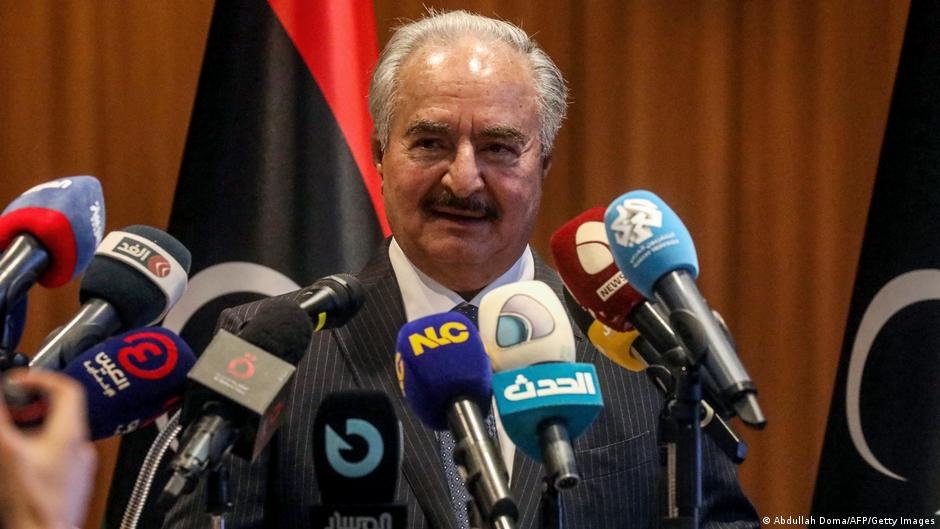
The women thanked Haftar and his son Saddam, and Libyan reporting credited Haftar with overseeing the operation. Details of how it was carried out were not disclosed.
Niger and Libya share a long desert border. Libya itself remains divided between competing political authorities, with an internationally recognised administration in the west and a rival centre of power in the east backed by Haftar.
That fragmented setting makes it important to identify the actors involved rather than assume a single unified Libyan operation. Further confirmation from the Austrian and Swiss foreign ministries would help clarify the women’s status, consular support and onward travel. The circumstances of the abductions and any negotiations remain less clear than the reported release itself.