US orders non-emergency staff and families out of Saudi Arabia
The State Department cites escalating Houthi hostilities and travel disruption.
The United States has ordered non-emergency government employees and their families to leave Saudi Arabia as attacks on airports and energy infrastructure deepen a regional security crisis.
The State Department cited civilian casualties, major travel disruption and the possibility of a rapid escalation in hostilities involving Yemen’s Iran-backed Houthi movement.
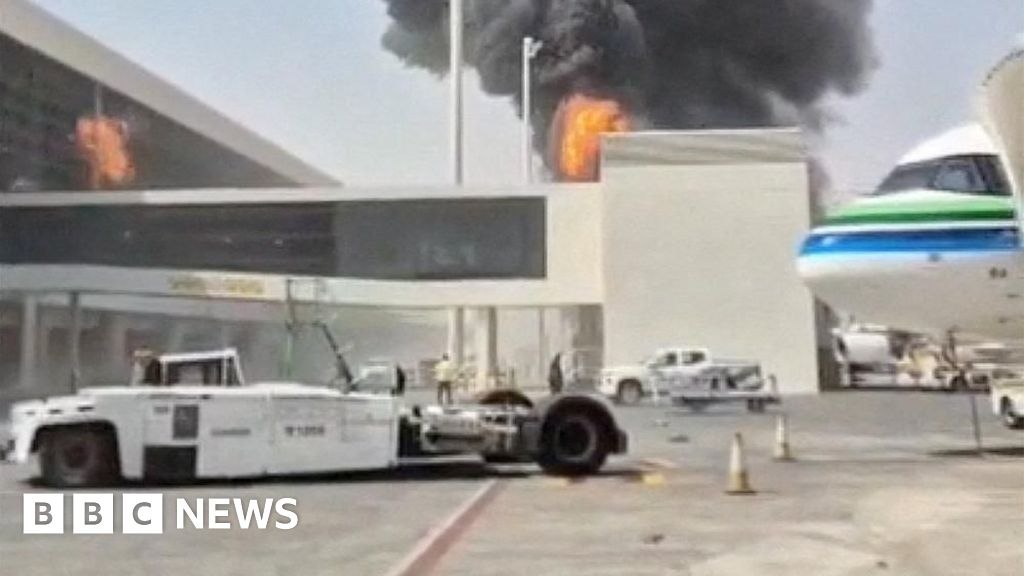
Saudi authorities reported three deaths across two recent incidents: two people died following the interception of a drone aimed at an oil facility, while another was killed in a strike at King Fahd International Airport in Dammam.
Airports have become a particular concern
Officials said eight people were also injured at the Dammam airport, with injuries ranging from minor to serious. The attack followed repeated strikes on Saudi airports, including an earlier attack on Riyadh’s international airport.
The energy ministry had not identified who launched the drone aimed at the Shaybah oil field in the account available on October 22. Although the State Department linked its decision to escalating Houthi hostilities, responsibility for that individual incident remained a separate question.
Disruption can extend beyond the site of an attack. Airlines may alter schedules, access to terminals can change and travellers can face fewer workable routes even without a permanent airport closure.
How the confrontation escalated
Yemen’s war began after the Houthis took Sanaa in 2014. A Saudi-led coalition intervened the following year to support the internationally recognised government. An informal ceasefire reduced fighting for several years before renewed confrontation undermined it.
The Houthis have described their recent attacks and maritime restrictions as retaliation for a Saudi blockade and a strike on Sanaa airport that they blamed on the kingdom. The renewed fighting has drawn airports, oil facilities and shipping routes back into the conflict.
The pressure on Red Sea routes has added to wider energy concerns at a time when the Middle East conflict has already constrained other export routes.
Shipping and energy add to the regional stakes
The fighting is also affecting routes beyond Saudi airports. The Houthis’ announced maritime restrictions in the Bab al-Mandab Strait have put additional pressure on Red Sea traffic, connecting the latest confrontation with the security of shipping and energy exports.
Saudi Arabia had been relying on Red Sea routes as the war involving the United States, Israel and Iran disrupted access through the Strait of Hormuz, according to the BBC account. Pressure on both sides of that transport network helps explain why attacks on Saudi infrastructure attract attention beyond the immediate sites involved.
The incidents do not, on their own, establish a fixed effect on global supply or the price a traveller or household will pay. They do show how airport security, maritime access and energy infrastructure can become connected concerns during a regional escalation. A facility may continue operating while nearby casualties, airspace restrictions or shipping uncertainty still impose serious costs on residents and businesses. That wider exposure forms part of the backdrop to Washington’s decision to reduce the presence of non-emergency staff.
What the US order covers
The ordered departure applies to a specified group of government personnel and their relatives. It is not a blanket evacuation of all Americans and does not establish that every diplomatic operation has closed.
Private travellers should check current embassy notices, official travel advisories and airline information separately. An ordered departure does not itself guarantee a government flight, entry to a neighbouring country or a safe route to an airport. Those arrangements can change faster than a published news report.