Nigel could not remember the teenager who saved him. Then they met on live TV.
A Derbyshire cyclist and the teenager who gave him CPR shared an emotional BBC Breakfast reunion—and a reason to learn first aid.
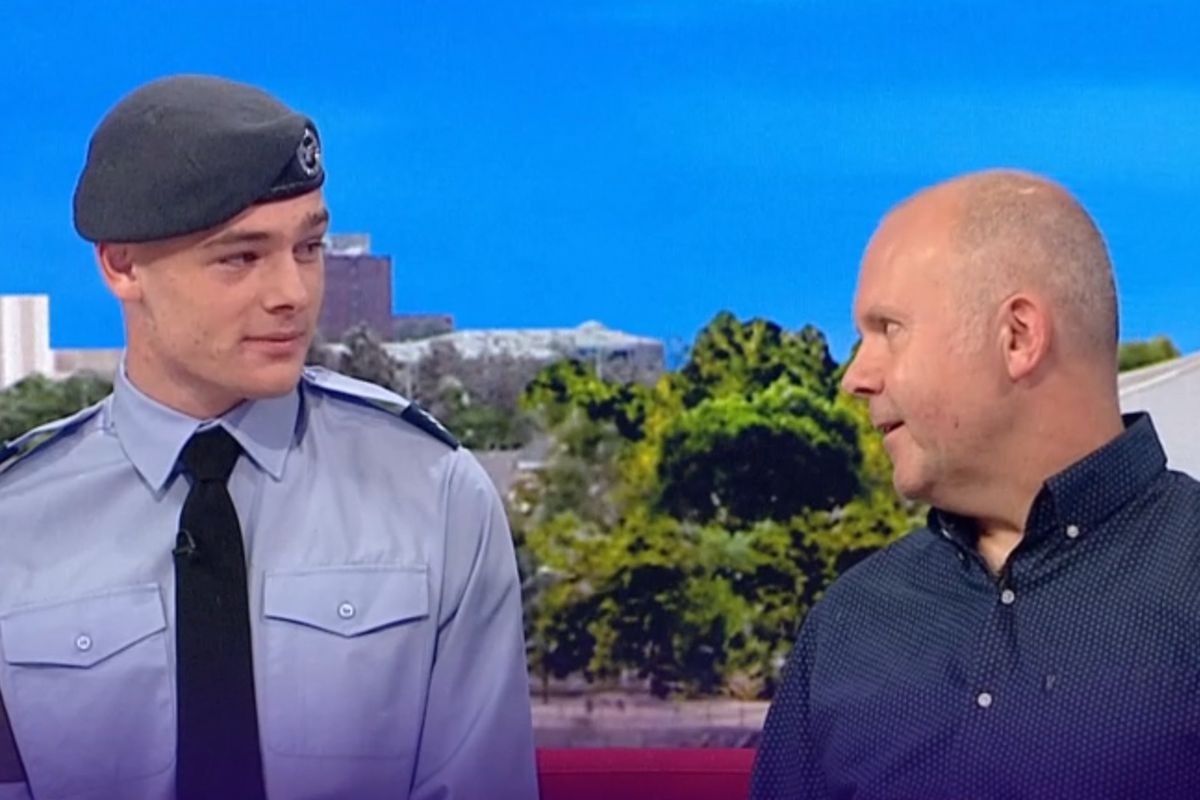
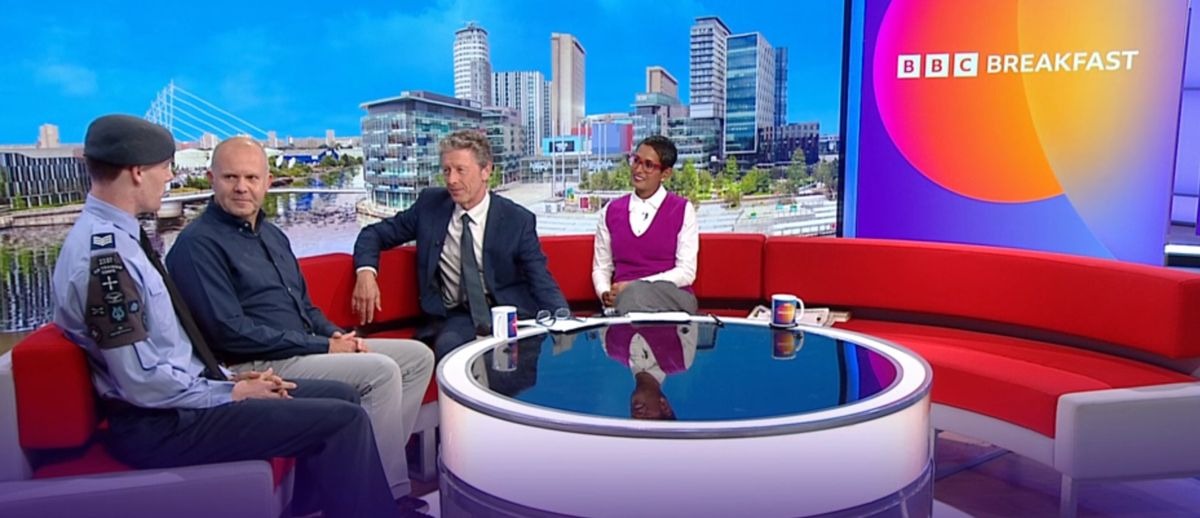
Nigel Owen could not remember the teenager who stopped beside him on a Derbyshire road. He had been unconscious. On BBC Breakfast, he finally had the chance to meet Sam—and thank him for the CPR that helped bring him back.
Derbyshire Live reported the reunion on October 8. Sam was 16 at the time of the emergency and 17 when he appeared in the studio. Owen, who had collapsed during a training ride, had recovered and returned to full-time work, according to the report. The rescue happened earlier in the year; the television reunion was the new moment in the story.
A training ride without an obvious warning
Owen described leaving home for a planned 70-mile bike ride while preparing for an Ironman event. He told the programme he had felt normal that morning and had not noticed warning signs before setting out. His last memory was saying goodbye to his wife.
That personal account matters, but it should not be stretched into a diagnosis. The reviewed report does not establish the underlying cause of his cardiac arrest or provide his medical records. His experience is not proof that exercise caused the emergency, or that being physically fit guarantees protection from a heart problem.
A teenager stayed until professional help arrived
Sam encountered Owen on an isolated country road while returning from a holiday in the Peak District. The report says he checked the cyclist and gave CPR until a paramedic reached them. Owen also described other passersby stopping to help.
The story is often told as a single-person rescue, but its reported details include bystanders and a professional response. Recognizing Sam's intervention does not require inventing an ambulance arrival time, the number of compressions or a specific defibrillator shock. None of those details is established in the reviewed account.
Two people remembered the same moment differently
For Sam, the person in front of him had previously been unconscious beside a road. For Owen, that encounter was missing from his memory. Their studio meeting brought those very different experiences together.
“You saved my life, you know that, don't you?” Owen told Sam, according to the report. The short exchange carried more weight than a long speech: one person could finally express gratitude, while the other could see the recovery that came after the emergency. Sam was also described as a full-time carer for his mother, a reminder that the teenager already carried responsibilities beyond school-age expectations.
The practical lesson is preparation, not fear
The NHS says that if an adult is unresponsive and not breathing normally, call 999 or 112 for emergency help and start CPR. An emergency call handler can guide a caller through what to do. Irregular gasps do not count as normal breathing.
For an adult, NHS guidance gives a chest-compression rate of 100–120 per minute. A helper can bring an automated external defibrillator, or AED, whose spoken instructions guide its use. These are adult emergency basics, not a complete first-aid course; instructions differ for children and other situations. In the United States, the emergency number is 911.
Owen's reunion offers a reason to learn those skills before they are needed. It does not promise that every cardiac arrest ends with a television appearance or a full recovery. It shows why a trained bystander, an emergency call and professional care can become different parts of the same chance at survival.